
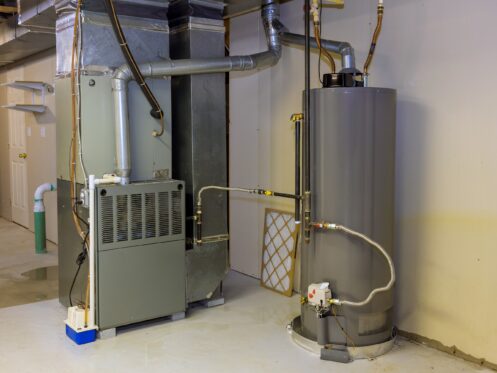
A boiler is one of the best heating systems you can install in your home. It provides steady, quiet warmth. It also offers better indoor air quality and efficiency than forced-air systems. It’s a smart investment. Thinking about installing one? You may wonder how long it will last. Here’s a clear breakdown of a boiler’s typical lifespan.
Boiler’s Lifespan and the Factors Influencing It
A residential boiler typically lasts about 10 to 15 years. While that’s true, your system could fall short of 10 years or exceed 15 years by a wide margin. Several key factors influence this longevity.
Type of Boiler
Standard residential models, like conventional gas boilers, typically last up to 15 years. But you may have heard of boilers still running strong after 30 years. Those are usually cast-iron boilers. Manufacturers design cast-iron units for long-lasting durability. When maintained well, they can outlive modern versions significantly.
Electric boilers last for 20 to 30 years. They are simpler systems, often made up of a resistance heater submerged in water. They face less mechanical stress. This also lowers their chances of breaking down over time.
Condensing boilers typically last for 15 to 20 years. They are more energy-efficient than other boilers. This is because they pull extra heat from exhaust gases with a secondary heat exchanger. In other words, the system recycles the heat in the exhaust gases that should have gone to waste. But they tend to corrode and need regular maintenance.
Combi boilers offer central heating and instant hot water. They don’t need a separate hot water tank. Typically, they last 10 to 15 years. Their compact design and dual functionality make them popular in smaller homes. However, the extra workload can reduce their lifespan compared to single-function systems.
Maintenance and Care
Boilers need yearly maintenance from a certified and licensed HVAC technician. This is a key rule for maintaining the manufacturer’s parts warranty. Boilers are mechanical systems. They naturally wear out as they run. Maintenance helps keep the components intact and functioning efficiently.
Maintenance involves lubricating moving parts to cut down friction. It also includes recalibrating controls for precise operation. Technicians check and clean the burners. They also inspect the heat exchanger for cracks or corrosion. We’ll also bleed the radiators to release trapped air. Then, we’ll check the system pressure and safety controls. For condensing boilers, technicians flush the condensate trap. They also check the secondary heat exchanger. This helps prevent acidic buildup and blockages.
Routine maintenance helps you get the most out of your boiler’s lifespan. If you skip a few appointments, your system could break down sooner than expected. It could also pose a safety risk. Faulty pressure controls, blocked flues, and hidden leaks can create unsafe conditions.
You can extend your boiler’s life with a few simple steps. First, optimize your thermostat settings. Then, run the system briefly during the off-season. Also, watch for any signs of damage. Professional maintenance helps too! Investing in a smart thermostat is great. It learns your schedule and heating habits. Then, it adjusts temperatures automatically. This helps cut down on energy waste and unnecessary cycling.
Run the system for about 15 minutes each month in the off-season. This helps stop internal parts from seizing. This simple step prevents problems caused by inactivity. It keeps valves, pumps, and sensors working. This ensures they stay lubricated and ready when the heating season returns.
More importantly, watch out for signs of boiler failure and address them promptly. Signs like not enough heat, odd noises, strange smells, frequent on-off cycles, or visible leaks can point to bigger problems. Do not attempt DIY fixes. Call a professional for a diagnosis and repair as soon as you notice something unusual.
Quality of Installation
Boilers only last when installed correctly. A professional home inspection is the first step in proper installation. Many nuances follow this initial check. A technician will check your home size, layout, and insulation. They’ll also review the local climate, available energy sources, and heating needs. This helps them choose the right boiler type and size for you. Improper system sizing can cause short cycling, uneven heating, and faster wear. It can also create safety issues and lead to early breakdowns.
After selecting the best system for your home, it must be professionally installed. This entails proper placement, venting, and integration with your home’s heating distribution system. The installer must route the flue pipes properly. This will help prevent backdrafting. The installers must check that the circulation pumps and expansion tanks are the right size. Also, ensure that all safety controls are in place and calibrated according to code. Conclude by confirming the thermostat gives an accurate reading of indoor temperature.
Given how serious this process is, be sure to hire a reputable HVAC contractor for the job. Check their credentials. Assess their professionalism and responsiveness. Read customer reviews to see if they are reliable. Make sure they specialize in boiler systems.
Remember, even the highest-quality boiler will underperform if installed incorrectly. A capable installer lays the groundwork for safe and efficient operation. This protects your investment and keeps you comfortable for years.
Water Quality
Your home’s water quality will directly affect your boiler’s longevity. Boilers use water to transfer heat. This means that impurities in the water can affect performance and durability.
If your boiler uses hard water, mineral deposits can form. This includes calcium and magnesium buildup in the heat exchanger, pipes, and valves. There are several consequences of this buildup. It acts as an insulator. This stops heat transfer. As a result, the boiler has to work harder to reach target temperatures. This not only increases energy consumption but also accelerates wear on components.
Second, scale buildup restricts water flow. This will lead to pressure fluctuations, overheating, and damage to pumps and seals. In severe cases, it may cause the boiler to shut down entirely.
Third, mineral-rich water contributes to the corrosion of internal metallic parts. The integrity of the heat exchanger and other critical components will be at risk.
If you have water quality issues in your home, address them before installing a boiler. Investing in a whole-home water filtration system can help a lot. It targets the impurities in your local water supply. This can reduce the chance of internal damage and improve your boiler’s performance.
An option is to install point-of-entry water softeners or chemical treatment systems for your boiler. These options are more affordable and easier to maintain than whole-home filtration systems.
Contact Cool Power LLC for More Information
If you’re considering boiler installation in Ronkonkoma, contact us. Our experts will guide you on boiler types, models, and how long they last. We have flexible financing options. This way, you can pick the best system for your home without worrying about big upfront costs. We can also make a custom maintenance agreement. This will ensure your system gets timely inspections, cleanings, and tune-ups. These steps will boost performance and extend its life.
Call Cool Power LLC today for professional boiler installation in Ronkonkoma.