
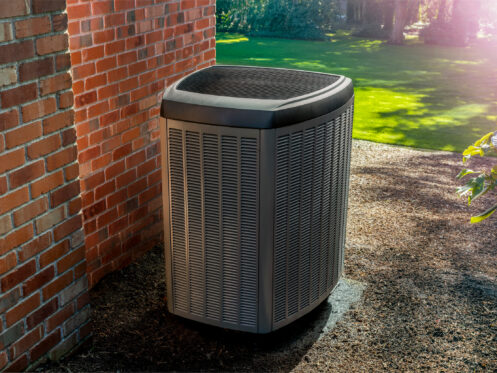
Spring in New York brings changing temperatures and shifting comfort needs. Your heat pump worked through winter to keep your home warm. Now it needs to switch roles and start cooling your home. Preparing your system for this change helps prevent performance loss.
Many homeowners assume their system will switch modes without any problems. However, small issues can develop after months of heavy heating use. If you do not address those issues early, your system may struggle during warmer weather. A simple spring checklist helps you stay ahead of those problems.
At Cool Power LLC, we help homeowners prepare both air-source and geothermal systems for seasonal changes. Proper preparation protects your system and helps it run more efficiently.
Understanding How Heat Pumps Switch Between Heating and Cooling Modes
Heat pumps work differently from traditional systems. Instead of generating heat, they move heat from one place to another. This process allows the system to provide both heating and cooling.
A key component in this process is the reversing valve. The reversing valve changes the direction of refrigerant flow inside the system. When you switch to cooling mode, the valve redirects heat from inside your home to the outside.
After months of heating operation, the reversing valve may experience wear. Dirt, electrical issues, or lack of maintenance can affect its performance. If the valve does not switch properly, your system may blow lukewarm air.
You may also notice that your system struggles to reach the set temperature. In some cases, the unit may stay stuck in one mode. You may even hear the system running, but the air feels wrong for the setting you selected. These signs often point to a reversing valve issue that needs professional attention.
Protecting the reversing valve starts with proper maintenance. Regular service helps keep this component working correctly during seasonal changes.
Start With a Clean Air Filter
Your air filter plays a major role in system performance. A clogged filter restricts airflow, forcing your system to work harder. Reduced airflow can lead to uneven cooling and higher energy use.
You should be changing your filters every one to three months. If you time it right, you should be changing your filter when spring arrives. Even if you changed it during winter, dust and debris may have built up. Installing a clean filter helps improve airflow and system efficiency.
You can check your filter by holding it up to a light. If light does not pass through, the filter is too dirty. Dark discoloration also signals that replacement is needed.
Most homeowners should keep a filter replacement schedule and replace their filters. Homes with pets, allergies, or higher dust levels may need more frequent changes. If your system runs frequently in both winter and summer, monthly checks are a good habit. Staying on a consistent schedule helps maintain airflow and protect system components.
Keeping up with filter replacement helps protect your system and improve indoor air quality.
Clear Space Around the Outdoor Unit
Your outdoor unit needs open space to operate correctly. Leaves, branches, and debris can collect around the unit during winter. Spring growth can also crowd the area if left untrimmed.
You should maintain at least 2 to 3 feet of clearance around the unit. You should also keep a few feet of clearance above the outdoor unit, so if branches hang over it, trim them. This space allows the fan to pull in air and release heat effectively. Restricted airflow can reduce cooling performance.
Check the unit for debris stuck in the fins or around the base. Gently clear away any buildup you find. Keeping the area clean helps your system run more efficiently.
Good airflow also reduces the risk of overheating. When the unit cannot release heat, it may shut down more often.
Test Your Thermostat Settings
Your thermostat controls how your heat pump responds to temperature changes. Testing the thermostat helps confirm that it communicates correctly with the system.
Switch the thermostat to cooling mode and lower the temperature setting. Your system should start within a few seconds. If it does not respond, there may be a connection or component issue.
After the system turns on, raise the temperature setting. The system should shut off shortly after the adjustment. This test confirms that the thermostat responds correctly.
You can also compare the thermostat reading with a separate thermometer. A difference of more than a few degrees may indicate a calibration problem.
Check Airflow Throughout Your Home
Airflow plays a key role in cooling performance. Blocked vents or closed registers can limit how air moves through your home. Uneven airflow can lead to hot and cold spots.
Walk through your home and check each vent. Make sure vents are open and free of obstructions. Furniture, curtains, or rugs should not block airflow.
Weak airflow in certain areas may point to ductwork issues. Leaks or blockages can prevent air from reaching those spaces. Addressing airflow problems helps your system cool your home more evenly.
Consistent airflow also reduces strain on the system. Balanced airflow supports efficient operation and better comfort.
Schedule a Professional Heat Pump Tune-Up
A professional tune-up is one of the most important steps in seasonal preparation. Some components require inspection and cleaning that homeowners should not attempt.
During a tune-up, we clean the condenser and evaporator coils. We inspect electrical connections, test system controls, and measure refrigerant levels. Our team also checks the blower, fan motor, and drainage system for proper operation.
We test system controls and confirm that the reversing valve operates correctly. Identifying issues early helps prevent breakdowns during peak cooling season. We also look for worn contactors, weak capacitors, and other electrical parts that may fail under summer demand.
Maintenance service also helps protect your system warranty. Many manufacturers require proof of maintenance to keep coverage valid. Skipping service may lead to denied claims if problems develop.
Our team provides complete heat pump services to keep your system running smoothly. We also work with geothermal systems for efficient year-round comfort.
Prepare Your System Before Summer Arrives
Spring is the best time to prepare your heat pump for the cooling season. Small home and professional maintenance can improve performance and prevent costly repairs. A well-maintained system runs more efficiently and keeps your home comfortable.
Our HVAC company provides all of heating and cooling maintenance, repair and replacement needs, helping homeowners in Ronkonkoma and surrounding areas stay ready for seasonal changes. Our team provides reliable service and clear guidance for your system.
Contact Cool Power LLC today to schedule your spring tune-up and keep your heat pump running at its best.