
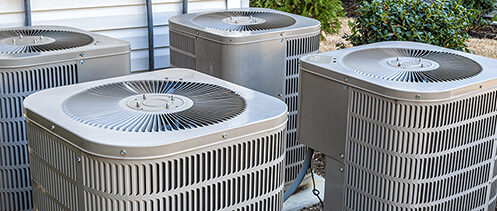
One of the biggest topics in the residential HVAC sector is heat pumps. These units offer high efficiency and versatility for both heating and cooling homes. Below, we’ll take a look at what a heat pump is and how it can lower your energy bills throughout the coming year.
What Is a Heat Pump?
A heat pump is an all-in-one heating system that provides both heating and cooling for your home. It simply transfers heat from one location to another using a refrigerant. During the summer months, it absorbs heat from inside your home and transfers it to the outdoors. During the winter months, it absorbs heat from the outside air and brings it into your home to warm it.
Instead of needing a traditional furnace and central air conditioning system, you can enjoy the same comfort with a singular heat pump. Heat pumps have three main components: refrigerant lines, an indoor air handler unit, and an outdoor condenser unit. Heat pumps can rely on your existing ductwork to deliver treated air throughout your home. They’re also available in ductless mini-split systems that use multiple indoor air handler units instead of ducting to deliver treated air.
Standard vs. Cold-Climate Heat Pumps
It’s important to make a distinction between standard heat pumps and cold climate heat pumps. Standard heat pumps operate efficiently down to temperatures around freezing. When temperatures dip below freezing, their efficiency significantly drops off. Many of these units use an electric heating element inside the indoor air handler to heat the air in your home. This can get extremely expensive.
Cold climate heat pumps come at a more premium price than standard heat pumps. However, they can operate efficiently down to -20 degrees Fahrenheit. This means they can still work while keeping your energy bills in check during those cold spells throughout the year. Living in New York, you must purchase a cold-weather heat pump to get the best operating efficiency and overall comfort from your system.
High Operating Efficiency
One of the most notable benefits of a heat pump is that it has a high operating efficiency. Most heat pumps can operate at 300-400% efficiency. The only other HVAC system that comes close to this is an electric furnace that operates at 100% efficiency. With such a high operating efficiency, your heat pump will consume less energy. This leads to lower utility bills throughout the entire year for you.
Zone Temperature Control
Another way that heat pumps can reduce your energy bills is through zone temperature control. This is possible with a ductless mini-split heat pump system. Each air handler unit has its own thermostat settings. This allows you to set your bedroom to 68 degrees and your living room to 70 degrees. By being more precise with your temperature settings, you can reduce your system’s energy usage while remaining comfortable in your home.
Another benefit of opting for a zoned heat pump system is that you can reduce energy losses. Ductless mini-split units deliver air only from the indoor air handler unit and don’t use ductwork. The EPA has suggested that homeowners may spend up to 30% more on heating and cooling bills due to leaks in their ductwork. If you rely on a mini-split system without ductwork, you can recapture that 30% of energy waste.
Even Energy Consumption
Another way that heat pumps can reduce your energy bills is by consuming energy evenly throughout the day. Traditional heating systems use a significant amount of energy to start and heat up quickly. On the other hand, heat pumps use variable-speed blowers. This allows them to operate at varying capacities as necessary.
Most heat pumps will run on low speed for most of the day to keep your home more comfortable. This avoids a massive spike in your energy bill and spreads energy usage throughout different hours of the day. This will reduce peak energy demand charges.
Smart Technology Integration
All modern-day heat pumps compare seamlessly with smart thermostats. This allows you to better automate your temperature adjustments based on your daily schedule. You can reduce the heat when you’re at work and raise it just before you arrive home. Smart thermostats feature a range of technologies that can better optimize your energy use, further reducing your energy bills.
Benefits of a Heat Pump for Your Home
A heat pump can provide many different benefits for your home. One of the most notable is that it doesn’t burn fuel to generate heat as traditional furnaces do. This means there are no toxic exhaust fumes produced by the combustion process. You don’t have to worry about dangerous carbon monoxide building up in your home. Rather, you can have the peace of mind that your family is safe from these hazards.
Another major advantage of purchasing a heat pump is that you get heating and cooling all in one unit. There’s no need to purchase a separate furnace and central air conditioning system to keep your home comfortable. Because heat pumps run longer cycles at lower speeds, they can provide a more consistent indoor temperature throughout the day. This can increase your comfort as compared to a traditional heating system that blasts hot air all at once.
When you pair modern heat pumps with traditional furnaces, heat pumps are much quieter. They offer superior dehumidification as compared to traditional central air conditioning systems. This can go a long way in enhancing your comfort during the summertime without having to turn down the temperature on your system. Because heat pumps don’t burn fuel to generate heat, they’re a more environmentally friendly heating system than traditional furnaces or boilers. Also, modern heat pumps use variable-speed blowers that can maintain a more precise temperature than standard furnaces or central AC units.
A Note on Tax Incentives
If you’re convinced that a heat pump is the right option for your home, it’s important to understand how to claim tax incentives. Right now, the Inflation Reduction Act of 2022 allows homeowners to claim up to $3,200 in tax credits when they provide proof of a new system purchase. Your heat pump has to meet the minimum efficiency rating, which you can find on ENERGY STAR’s website.
This tax credit can go a long way in helping to offset a lot of the upfront costs that come along with purchasing a new heat pump for your home. You may also find that your state and local governments offer tax incentives. It’s also crucial to know that many local utility companies offer a bill credit to homeowners who provide proof of purchasing a new unit.
Expert Heat Pump Installation Services
Cool Power LLC offers expert heat pump installation services for the Ronkonkoma, NY area. We can also assist with all your heat pump tune-ups, replacements, and repairs. Call our office today to schedule your free consultation with one of our knowledgeable HVAC technicians.